
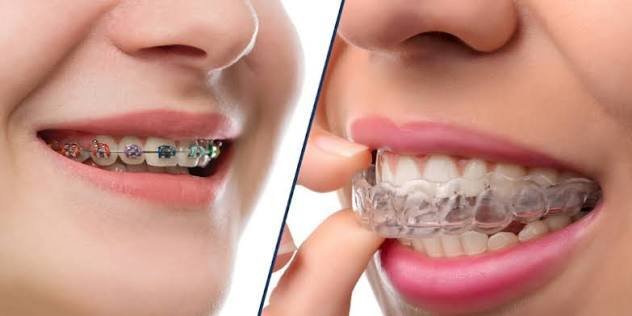
A straighter smile can improve more than just appearance. Properly aligned teeth can make it easier to maintain good oral hygiene, improve your bite and contribute to better overall oral health.
Today, patients have more orthodontic options than ever before. Traditional braces and clear aligners are two of the most popular choices, but the right option depends on your teeth, bite, treatment requirements and lifestyle.
At Prime Dentals, orthodontic treatment begins with understanding your individual needs and creating a personalized treatment plan.
What Are Dental Braces?
Dental braces use brackets and orthodontic wires to gradually move teeth into their desired positions.
At Prime Dentals, orthodontic options include:
- Metal Braces
- Ceramic / Tooth-Coloured Braces
- Self-Ligating Braces
Braces can be used for children, teenagers and adults and can address a wide range of alignment and bite concerns.
Metal Braces
Metal braces are a well-established orthodontic treatment option. They use brackets and wires to apply controlled forces to gradually move teeth.
They may be suitable for patients who require comprehensive orthodontic correction.
Ceramic Braces
Ceramic braces work on a similar principle to traditional braces but use tooth-coloured or less noticeable brackets.
They can be an option for patients who want a more discreet appearance while undergoing fixed orthodontic treatment.
Self-Ligating Braces
Self-ligating braces use brackets with a built-in mechanism to hold the orthodontic wire.
Whether they are appropriate for you depends on your specific orthodontic requirements and treatment plan.
What Are Clear Aligners?
Clear aligners are a series of removable, transparent trays designed to gradually move your teeth according to a digitally planned treatment sequence.
Instead of fixed brackets and wires, aligners are custom-made for your teeth and are replaced throughout the treatment as your teeth move.
At Prime Dentals, the clear-aligner process incorporates:
Digital Scanning → Digital Treatment Planning → Aligner Fabrication → Monitoring → Refinement → Retention
This creates a streamlined treatment workflow from planning through completion.
Braces vs Clear Aligners
The best choice isn’t simply about which option looks better. Your orthodontic condition and treatment goals should be the starting point.
Appearance
Clear Aligners:
Transparent and generally less noticeable while being worn.
Braces:
Metal braces are more visible, while ceramic braces offer a more discreet alternative.
Removability
Clear Aligners:
Can be removed when eating, drinking certain beverages and maintaining oral hygiene.
Braces:
Remain fixed throughout treatment and require adjustment to certain eating and cleaning habits.
Oral Hygiene
Clear Aligners:
Because aligners can be removed, brushing and flossing can generally be performed without orthodontic appliances in the way.
Braces:
Require careful brushing around brackets and wires to help maintain good oral hygiene.
Treatment Complexity
Both braces and clear aligners can be used for a variety of orthodontic concerns. However, not every case is suitable for every type of aligner treatment.
The appropriate treatment depends on factors such as tooth movement requirements, bite relationship, crowding, spacing and overall dental health.
Lifestyle
Clear aligners can offer greater flexibility because they are removable, but they require commitment to wearing them as directed.
Braces are fixed, meaning you don’t have to remember to put them back in, but they require adjustments to eating and oral hygiene routines.
Which Is Better — Braces or Clear Aligners?
There is no universal answer.
Clear aligners may be an attractive option if you:
- Prefer a discreet orthodontic treatment
- Want removable appliances
- Are comfortable following an aligner-wearing schedule
- Have a case that is suitable for aligner treatment
Braces may be a better option if you:
- Require comprehensive orthodontic correction
- Prefer a fixed treatment option
- Have alignment or bite concerns that require movements better managed with fixed appliances
- Want options such as metal, ceramic or self-ligating braces
Ultimately, your orthodontist should assess your teeth and bite before recommending a treatment approach.
What About Children and Adults?
Orthodontic treatment isn’t limited to teenagers.
Children, teenagers and adults can all benefit from orthodontic evaluation when there are concerns involving tooth alignment, spacing, crowding or bite.
For younger patients, an early orthodontic evaluation can help identify developing alignment or jaw-related concerns.
Adults can also undergo orthodontic treatment, provided their teeth and supporting oral structures are suitable for treatment.
Why Digital Planning Matters
Modern orthodontics increasingly uses digital technology to improve treatment planning.
Digital scanning can create a detailed representation of the patient’s teeth without relying solely on traditional impression techniques.
At Prime Dentals, digital workflows can support:
- Digital dental scanning
- Smile planning
- Aligner treatment planning
- Treatment visualization
- Implant planning
- Monitoring and refinement
For clear aligner treatment, digital planning helps create a sequence showing how the teeth are intended to move throughout treatment.
The Most Important Step: Get an Orthodontic Assessment
Choosing between braces and clear aligners should not be based solely on advertisements, appearance or what worked for someone else.
Every patient’s teeth, bite and treatment requirements are different.
A professional orthodontic assessment can help determine:
What needs to be corrected → Which treatment options are suitable → How treatment can be planned → What maintenance and retention may be required
At Prime Dentals, the goal is to create a treatment approach based on your individual dental needs rather than using a one-size-fits-all solution.