
Dental implants are one of the most effective modern solutions for replacing missing teeth. They are designed to restore not only the appearance of your smile but also the function and stability of natural teeth.
If you are considering dental implants, understanding the procedure, treatment stages, suitability, and aftercare can help you make a more informed decision.
What Are Dental Implants?
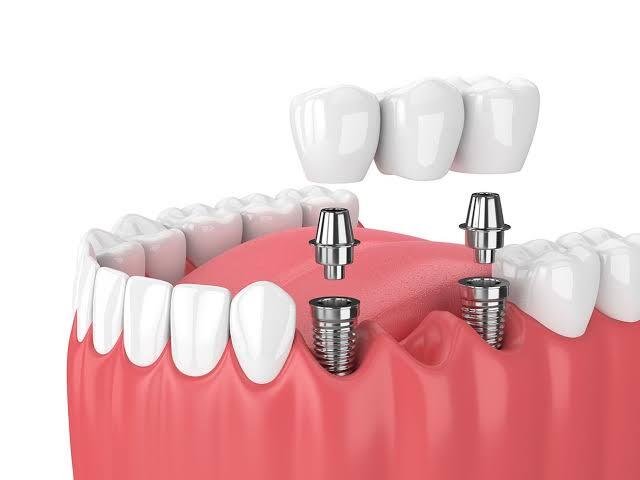
A dental implant is an artificial tooth root that is placed into the jawbone to support a replacement tooth.
A typical implant restoration consists of three main components:
- Implant: A small titanium fixture placed within the jawbone.
- Abutment: A connector that attaches the implant to the replacement tooth.
- Crown or Prosthesis: The visible tooth replacement designed to restore appearance and function.
Once the implant has integrated with the surrounding bone, it can provide a stable foundation for a replacement tooth.
Why Consider Dental Implants?
Missing teeth can affect more than just your smile. They may make chewing difficult, affect speech, and can allow neighbouring teeth to shift into the empty space.
Dental implants can help:
Restore Your Smile
Implant-supported teeth are designed to look natural and blend with your existing teeth.
Improve Chewing & Function
A stable tooth replacement can make it easier to eat and chew compared with some removable alternatives.
Support Dental Stability
Replacing a missing tooth can help prevent neighbouring teeth from moving into the empty space.
Provide a Fixed Tooth Replacement
Unlike removable dentures, implant-supported restorations are designed to remain securely in place.
Restore Confidence
A well-planned implant restoration can help patients feel more comfortable while speaking, eating, and smiling.
Who May Be Suitable for Dental Implants?
Dental implants can be considered for patients with:
- A single missing tooth
- Multiple missing teeth
- Several missing teeth requiring a fixed solution
- Extensive tooth loss requiring implant-supported rehabilitation
However, not every patient will have the same treatment requirements.
Your dentist will evaluate factors such as your oral health, available bone, gum condition, general dental condition, and the position of the missing tooth or teeth before recommending an appropriate treatment plan.
The Dental Implant Treatment Process
At Prime Dentals, implant treatment can be planned according to the individual patient’s requirements.
1. Initial Consultation
The process begins with a detailed dental consultation and examination.
Your dentist will assess the condition of your teeth, gums, jaw and the area where the tooth is missing.
2. Digital Diagnosis & Treatment Planning
Modern digital dentistry can help improve the planning process.
Depending on the case, digital scans and appropriate diagnostic imaging can be used to evaluate the area and plan the position of the implant and final restoration.
This allows the treatment to be planned with greater precision.
3. Implant Placement
The implant fixture is surgically positioned within the jawbone.
The procedure and approach can vary depending on the number of implants required and the patient’s individual clinical situation.
4. Healing & Integration
Following implant placement, the implant requires time to integrate with the surrounding bone.
This process, known as osseointegration, helps create a stable foundation for the final restoration.
The healing period can vary from patient to patient.
5. Prosthetic Restoration
Once the implant has adequately healed and the case is ready for restoration, an abutment and replacement tooth can be placed.
Depending on the treatment plan, this may involve an implant-supported crown, bridge, denture, or a more comprehensive implant prosthetic rehabilitation.
Dental Implant Solutions at Prime Dentals
Prime Dentals offers implant solutions designed around different levels of tooth loss.
Single Tooth Implants
For patients missing one tooth, a single implant can support an individual implant crown.
Multiple Tooth Implants
When several teeth are missing, multiple implants may be used to support individual restorations or an implant-supported bridge, depending on the case.
Implant-Supported Crowns
An implant-supported crown can replace a missing tooth while providing a fixed restoration designed to resemble a natural tooth.
Implant-Supported Dentures
For patients who have lost several or many teeth, implants can be used to provide additional support and stability to a denture.
Full-Mouth Implant Rehabilitation
Patients with extensive tooth loss or severely compromised dentition may require a comprehensive full-mouth rehabilitation plan involving implants and prosthetic restorations.
The appropriate approach depends on the patient’s individual dental condition and treatment requirements.
The Role of Digital Dentistry in Implant Treatment
Digital technology has become an important part of modern implant planning.
At Prime Dentals, digital workflows can support:
Digital Scanning
Creating detailed digital records of the patient’s teeth and oral structures.
Digital Treatment Planning
Helping the dental team plan the overall restoration and implant position.
Implant Planning
Using digital information to assist with planning implant placement according to the patient’s anatomy and restorative requirements.
Prosthetic Planning
Coordinating implant placement with the final restoration to achieve functional and aesthetic results.
Is Dental Implant Treatment Painful?
Many patients are concerned about discomfort during implant treatment.
Implant placement is generally performed using local anaesthesia, which helps keep the procedure comfortable.
Some soreness, swelling or sensitivity may occur after the procedure as the area heals. Your dentist will provide appropriate post-operative instructions based on your treatment.
If you are nervous about dental treatment, discuss your concerns with your dentist during your consultation.
How Long Do Dental Implants Last?
Dental implants are designed to provide a long-term tooth replacement solution. However, their longevity depends on several factors, including:
- Oral hygiene
- Gum health
- Regular dental check-ups
- Proper care of the implant restoration
- Smoking and lifestyle factors
- Overall dental health
- The condition of the surrounding bone and tissues
Good oral hygiene and regular professional maintenance are important for protecting both the implant and the surrounding natural teeth.
Caring for Your Dental Implants
After receiving an implant restoration, maintaining good oral hygiene is essential.
You should:
- Brush your teeth regularly.
- Clean carefully around the implant restoration.
- Follow your dentist’s recommendations for interdental cleaning.
- Attend regular dental check-ups.
- Get professional cleaning when recommended.
- Report unusual pain, swelling, bleeding or mobility to your dentist.
Proper maintenance can help keep your implants and surrounding tissues healthy.
Why Proper Planning Matters
Dental implants are not simply about placing an artificial tooth into the mouth.
A successful implant restoration involves diagnosis, treatment planning, implant placement, healing, prosthetic design and long-term maintenance.
The position of the implant, condition of the gums and bone, bite, surrounding teeth and final restoration all need to be considered when planning treatment.
That is why a detailed consultation is an important first step.